A lot of edible storage advice boils down to “cool, dark, airtight.” That is correct, but it skips the part that helps you decide what to do with a specific batch: how much heat and light actually matter, what changes between a brownie and a gummy, and what to write on the label so you can trust the mg number a month later. This guide covers all three, and it is upfront about what the research does and does not cover.
What the Research Says About Heat, Light, and Air
THC does not vanish on a shelf. It converts, mostly into CBN, and the rate depends on conditions. Two peer-reviewed studies are worth knowing:
- A four-year Italian study (Zamengo et al., Forensic Science International, 2019) kept high-potency hashish and flower under four conditions: light at 22 degrees C, darkness at 22 degrees C, darkness at 4 degrees C (refrigerator), and darkness at -20 degrees C (freezer). Under the two room-temperature conditions, THC fell and CBN rose significantly, and almost all of the THC was gone after four years. The authors found that temperature changed only the speed of the conversion, while light changed both the speed and what the THC turned into.
- A 2026 University of Mississippi study (Majumdar et al., Cannabis and Cannabinoid Research, DOI 10.1177/25785125261478275) tested plant material, extracts, oil formulations, and isolates at room temperature, in the refrigerator, and in the freezer. For most products, room temperature accelerated THC degrading into CBN, while storage at -20 degrees C preserved cannabinoids over the whole timeline. CBD-only products held up at room temperature. THC-rich products did not.
One honest caveat: neither study tested finished edibles. Flower, hash, extracts, and oils are not brownies, and a baked or candy matrix adds its own variables like moisture and sugar. What carries over is the direction. Heat speeds THC loss, light adds to it, and cold slows it. The exact percentage you would lose from a particular brownie in a particular kitchen is not something these studies can tell you, so treat any blog that quotes one (including older versions of this post) with suspicion.
The Four Variables You Control
Temperature
Heat is the variable the research shows most clearly. Keep edibles away from the stove, a sunny windowsill, and a parked car. A cabinet in a cool room works for shelf-stable candy. For anything homemade, the refrigerator or freezer is the safer default, and the freezer is the best match for what the Majumdar study found about THC-rich material.
Light
Because light changed the way THC converts in the Italian study, opaque or amber containers are worth the small effort. A clear jar is fine if it lives inside a closed cabinet or drawer.
Air
Oxygen exposure is part of why cannabinoids break down over time, and air also dries out baked goods and makes gummies sticky. A tight seal handles both. Vacuum sealing is useful for large batches you plan to freeze, since it removes the air and prevents freezer burn.
Moisture and mold
Mold is the real safety risk for homemade edibles, and it has nothing to do with potency. Cool baked goods completely before sealing them, because trapped steam is what grows mold. If you see mold, discard the whole batch. Mold spreads through porous food well beyond the visible spot.
Storage Plan by Edible Type
Different edibles fail in different ways, so one rule does not fit all of them.
| Edible type | Main risk | Best storage | Container |
|---|---|---|---|
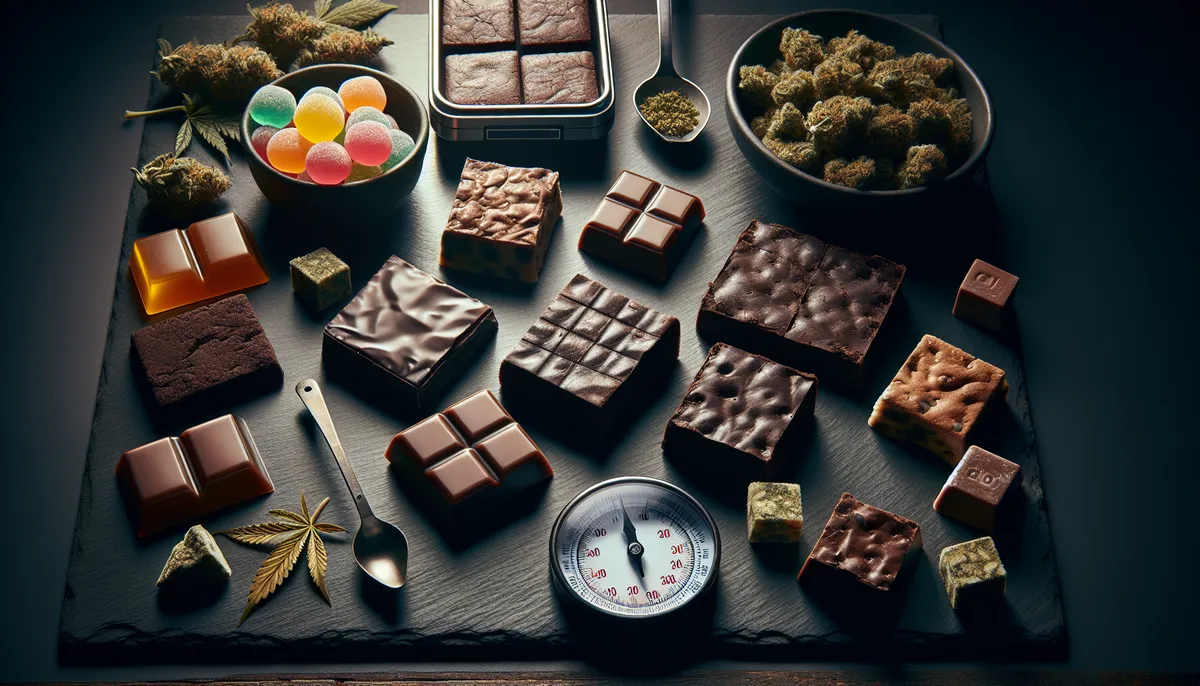
| Baked goods (brownies, cookies) | Mold, drying out | Refrigerate, or freeze in single portions | Airtight, wrapped per piece for the freezer |
| Gummies and hard candy | Melting, sticking, moisture | Cool, dry cabinet; refrigerator in hot weather | Original sealed package or airtight jar, with a desiccant packet if humid |
| Chocolate | Melting, sugar bloom | Cool cabinet or refrigerator | Airtight, away from strong odors |
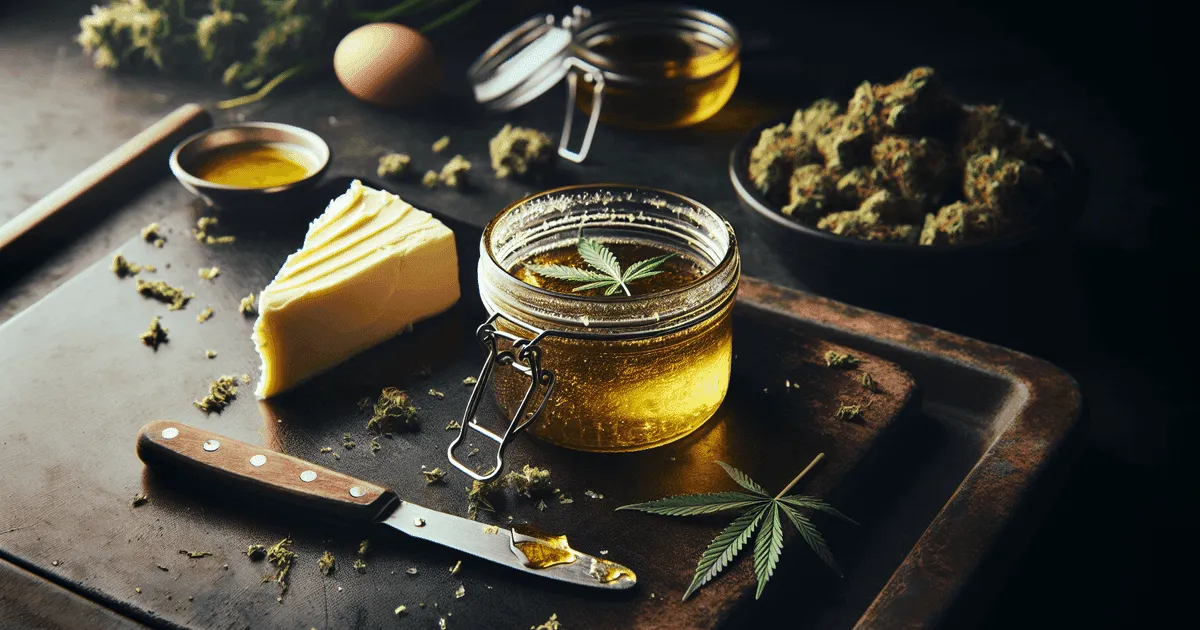
| Infused butter and oils | Rancidity, oxidation | Refrigerator for regular use, freezer for long-term | Dark glass jar with a tight lid |
| Beverages and tinctures | Light, heat | Follow the label; cool and dark | Original bottle |
For homemade items, a practical rule for shelf life: give an infused item the same shelf life as the same recipe made without cannabis. If plain brownies would be best within a few days at room temperature, so are yours. For store-bought edibles, the package date and storage directions come from the manufacturer’s own testing, so those override anything in a general guide. If you made the base yourself, the cannabutter guide covers how to make it, and the decarb guide covers the heating step that happens before any of this storage matters.
A Worked Example: Labeling One Batch
Labeling is the step people skip, and it is the one that protects you from a dosing mistake. Here is a batch label that holds all the information you need:
Brownies, 16 pieces. Made 10/13. 5 mg THC each (80 mg total). Fridge. Discard by 10/20.
The math is simple: 80 mg of THC divided across 16 pieces is 5 mg per piece. That figure assumes the batter was mixed evenly, which is why mixing thoroughly matters as much as storage. If a piece gets cut in half, the label still tells you it is 2.5 mg.
Why each part of the label earns its place:
- Type and piece count lets you spot a missing piece at a glance.
- mg per piece is the number you will need in a month when you no longer remember how strong you made them. Our guide to edible dosing mistakes covers what goes wrong when the dose is a guess.
- Date made and discard-by date removes the guessing about freshness.
- Where it lives matters if more than one person shares the kitchen.
If you cook with the Recipe Wizard, you set the target mg per serving and it works out how much flower you need, so the figure you planned for is the one to write on the label.
Keep Edibles Away from Kids and Pets
Safe storage is a safety issue as well as a quality one. The CDC’s guidance is direct: if you use cannabis products, keep them in a locked childproof container and out of the reach and sight of children and pets. Infused gummies and baked goods look like ordinary snacks, which is the reason to store them apart from regular food. A labeled, lockable container in the refrigerator or a closed cabinet does double duty: it protects potency and prevents a mix-up.
Frequently Asked Questions
How long do cannabis edibles stay potent? It depends on the product and on heat, light, and air. Research on cannabis flower, hash, extracts, and oils shows THC converting to CBN faster at room temperature than in the refrigerator or freezer, and freezing preserved cannabinoids best. Finished edibles have not been studied in the same way, so for store-bought products follow the package date, and for homemade ones give them the same shelf life as the non-infused recipe.
Can you freeze cannabis edibles? Yes. Freezing is the storage condition that preserved THC best in the 2026 University of Mississippi stability study, which tested plant material, extracts, and oils. Wrap baked edibles individually, seal them in a freezer-safe bag or container, label them with the date and mg per piece, and thaw only what you plan to consume. Avoid refreezing thawed items.
Do cannabis edibles lose potency over time? They can. THC degrades into CBN under heat, light, and oxygen exposure, and cold storage in the dark slows this. No published study gives a reliable percentage for a finished brownie or gummy, so be wary of any specific figure for potency loss per month.
How do I keep homemade edibles from getting moldy? Cool baked goods completely before sealing, use airtight containers, and refrigerate anything perishable. Add a desiccant packet to containers in humid climates. If you see mold, discard the whole batch rather than trimming around it.
Should I refrigerate cannabis gummies? Check the package first. Many gummies do fine in a cool, dry cabinet, and refrigeration can add moisture when you open the container, so seal them well and let the container come to room temperature before opening. In hot weather or a warm home, the refrigerator keeps them from melting or fusing together.
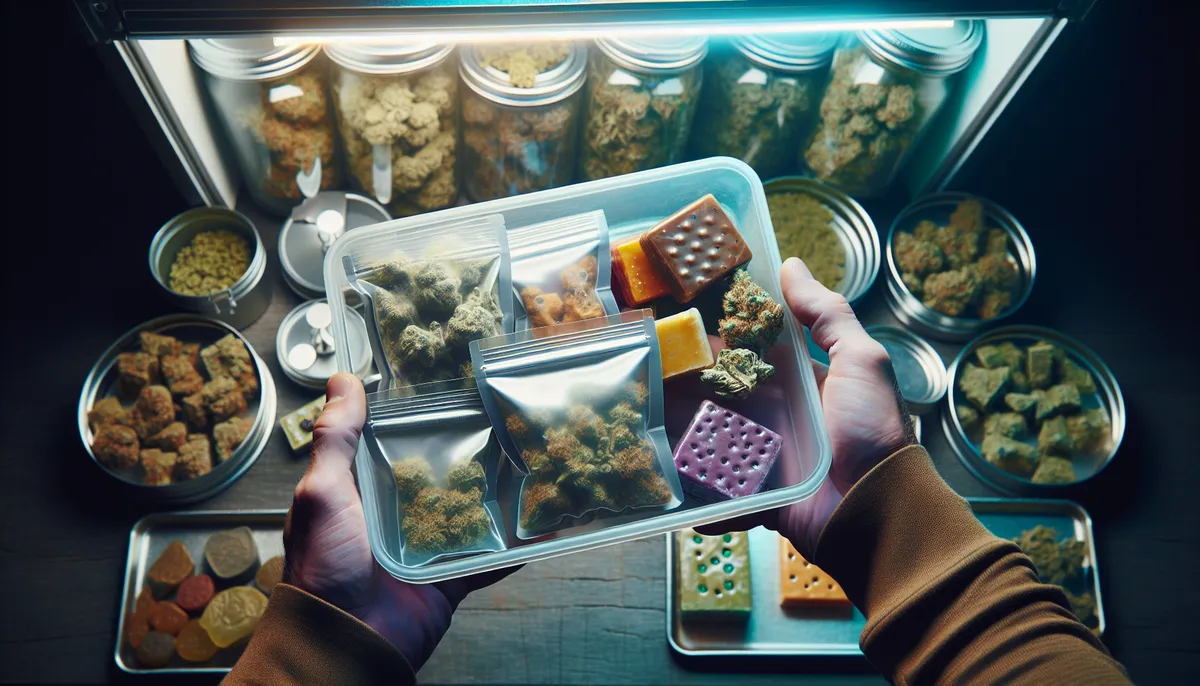
What’s the best container for storing cannabis edibles? An airtight container that blocks light. Dark or amber glass with a tight lid works well for oils and butter, and an opaque airtight tub works for baked goods. For anyone with children or pets at home, use a container that also locks.
Putting It Together
A reliable routine takes about two minutes per batch: cool it fully, portion it, seal it airtight, label it with mg per piece and a discard-by date, and put it somewhere cold, dark, and locked. If you cook your own, the Edible Recipes feature in DankLog lets you pick a flower from your stash and set a target mg per serving before you bake, and that same number goes on your label. For a timeline of how stored edibles behave once you eat them, read how long edibles last.
Sources
- Zamengo L, et al. The role of time and storage conditions on the composition of hashish and marijuana samples: A four-year study. Forensic Science International, 2019.
- Majumdar CG, et al. Stability of Cannabinoids in Cannabis: Plant Material, Extracts, Oil Formulations, and Isolates (CBD and Delta-9-THC) Under Different Storage Conditions. Cannabis and Cannabinoid Research, 2026.
- CDC. Cannabis and Poisoning.
Related Reading
- How long do edibles last - onset, peak, and duration timelines for stored vs fresh edibles
- Common edible dosing mistakes - avoid errors that waste your carefully stored stash
- Beginner’s guide to cannabis edibles - dosing and timing basics