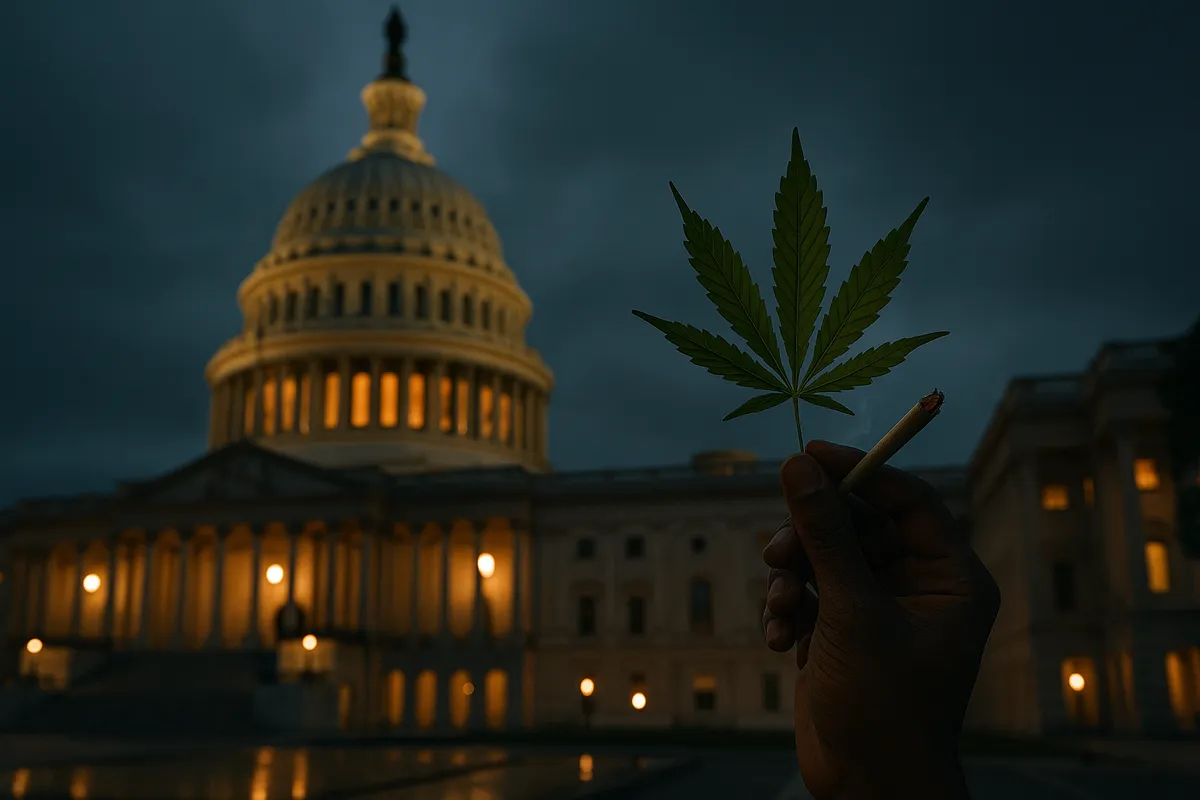
Cannabis Legalization: What Policy Means for Users
Cannabis laws do not move in one clean national line. Some states expand access, some keep medical-only systems, and others stall even when public support is growing. For consumers, that uneven map can shape what is available, what it costs, how comfortable people feel asking questions, and which products they can choose from.
That is why personal notes still matter. Policy can shift slowly, but your own experience with strains, formats, timing, and effects stays useful wherever the rules land.
Arkansas shows how reform can stall
Arkansas is a useful example because legalization support and political support are not always the same thing. The state has seen ongoing interest in cannabis access, especially around medical use, while major political figures have continued to oppose broader legalization.
That kind of mismatch leaves consumers in a familiar position. The public conversation keeps moving, but the practical choices at the counter may not change quickly. People still need to understand local rules, shop carefully inside legal channels, and make the most of the products they can actually access.
What policy changes mean for consumers
Legal status affects more than whether cannabis is allowed. It can influence selection, pricing, testing expectations, packaging rules, and how much guidance a consumer gets before buying.
When access is limited, people often repeat familiar purchases because experimentation feels expensive or confusing. When access expands, the opposite problem can show up: too many new products, formats, and strain names with not enough personal context.
In both cases, the same habit helps. Keep track of what you tried, how much you used, what format it came in, and how it felt. Over time, those notes become more useful than a strain name on its own.
Tracking helps when the market is uneven
A changing legal landscape can make cannabis feel inconsistent. One month you may have access to a favorite flower. The next month you may only find a similar strain, a different batch, or a completely different format.
Good notes make those substitutions easier. If a relaxing evening strain worked because of its terpene profile, dose, or timing, you have a better starting point for finding something close. If a product felt too heavy, too short, or not quite right for the vibe you wanted, you have a record to avoid repeating the same miss.
DankLog is built for that kind of personal memory. You can log strains, formats, timing, effects, and notes in one place, then bring that history back when you are comparing options or talking with a budtender.
Community context matters too
Cannabis reform is not only a legal topic. It is also a community topic. Consumers, patients, budtenders, growers, and local advocates all bring different experiences to the same conversation.
Personal notes can support better community discussions because they keep the conversation grounded in real use. Instead of relying on a broad claim about a strain or product, you can say what happened for you, what you consumed, and what changed across sessions.
That does not make one person’s experience universal. It does make it easier to talk honestly about access, quality, affordability, and what consumers still need from the market.
Staying informed without chasing every headline
Policy headlines move fast, but your day-to-day choices usually come down to local rules and available products. Check official state resources when laws change, pay attention to packaging and testing information, and avoid assuming that rules in one state apply somewhere else.
For your own sessions, keep the routine simple:
- Log the product, format, and amount.
- Note the effect you wanted before consuming.
- Record how the session actually felt.
- Track freshness, timing, and setting when they matter.
- Save questions for your next dispensary visit.
Those notes help whether reform is moving forward, stalled, or changing shape.
The bottom line
Cannabis legalization will keep moving unevenly. Some places will expand access faster than others, and consumers will keep navigating the gap between public conversation and practical availability.
Your own record gives you something stable inside that uncertainty. When the market changes, you can still know what worked for you, what did not, and what to ask for next.
Inspired by Marijuana Moment and High Times.